Picture a perfect Central Florida night out. The air’s warm, the lights feel soft, and the room hums with easy conversation. Someone’s sharing pretzel bites, someone’s sipping a crisp lager, and nobody’s in a hurry to leave.
That feeling is why so many people daydream about how to open a bar. Not just any bar, but a place that becomes part of your weekend rhythm.
This guide gives you a simple path from concept to opening week: your “lane” (beer-only vs. full liquor), a tight menu, real budgeting, Florida licensing, buildout, hiring, and a calm plan for launch. And if you want a real local example of “done right,” look at Eden Abbey Brewing Community in Mount Dora (405 S Highland St). It’s family-owned, loved by locals, and built around a welcoming, community-first vibe with great beer and food.
Start with a bar idea people will drive across town for
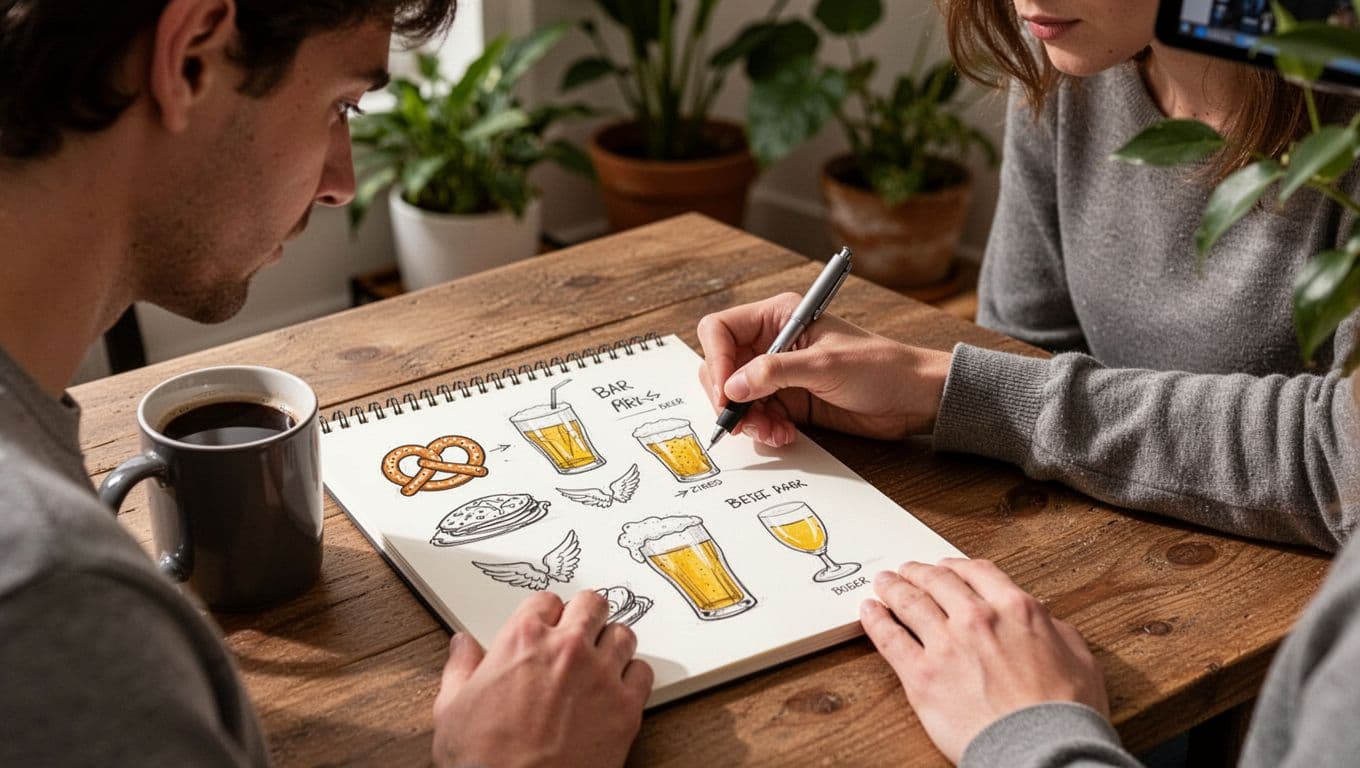
A bar doesn’t win because it has a sign and a liquor shelf. It wins because it has a clear promise. Think of your concept like a compass. It points every choice in the same direction, from your lease to your glassware.
In Central Florida, the strongest concepts usually do one thing well. They’re not trying to be a club, a sports bar, and a fine-dining room at the same time. Instead, they create a repeatable night people can count on.
Start by deciding what guests will say about you the next day. “That place has the best trivia night.” “Their beer list always feels fresh.” “It’s the one spot where my friends can talk without shouting.”
Then pressure-test it. Will your idea still work on a random Tuesday, not just festival weekends? Can you deliver it with a small team? Does it match the neighborhood?
Pick your lane: beer-only, beer and wine, or full liquor bar
Your license path shapes your buildout, your insurance, your training, and your cash needs. In Florida, you’ll hear these common license types:
- 1COP (beer): Often the simplest start. Great for a taproom feel, craft beer focus, and faster staff training.
- 2COP (beer and wine): A popular middle option. It gives more choice without the complexity of full spirits.
- 4COP (beer, wine, and liquor): Full bar privileges, but this is where cost and timing can swing hard, especially with quota licenses.
In Lake County, a transferable quota 4COP can be a major price jump. As of February 2026, market pricing in the Mount Dora area can land around $240,000 for a transferable 4COP in the county, plus ongoing state fees (renewal is listed around $1,820). That single item can decide whether you open this year or next.
If you want a plain-English overview of how Florida alcohol licensing works, this primer on Florida alcoholic beverage licenses helps you understand the categories before you start paying professionals.
Build a “regulars” menu, not a huge menu
Big menus look impressive, but they can bury a new bar. Early on, your goal is consistency. Give people a few things they crave, then execute them fast, every time.
A smart opening menu usually has:
- Two to four handhelds that pair well with beer and cocktails.
- Two or three shareables for groups.
- One solid salad that doesn’t slow the line.
- One dessert that feels like a signature.
For a local-style example, Eden Abbey’s approach shows how “focused” can still feel special. Think empanadas with bold fillings, warm pretzel bites with a beer-cheese dip, wings with multiple sauce choices, and a dessert that comes out warm with sauce and crunchy nuts (the kind that makes the table go quiet for a second). That’s the point. A tight menu can still feel like a destination.
If your kitchen can’t nail a dish at 8:30 pm on a Saturday, it doesn’t belong on an opening menu.
Run the numbers before you sign a lease

Most bar dreams don’t fail because the drinks taste bad. They fail because cash runs out mid-buildout, or two slow months hit before you’ve built a base of regulars.
So, do the math early, while your plan is still flexible.
Also, be honest about timelines. Even a smooth project can take months. In Florida, many openings land in a 6 to 18 month window once you include location search, permits, buildout, and licensing. Full-liquor paths often take longer because the license route can add friction and cost.
What it really costs to open a bar in Florida
Your startup cost depends on size, condition of the space, and license type. A modest neighborhood bar might start around $150,000, while larger projects can hit $1 million or more. If you add a quota 4COP purchase, that can change the whole plan overnight.
Here’s a simple way to think about your early budget buckets:
| Budget area | Typical range | What it covers |
|---|---|---|
| Buildout and renovations | $50,000 to $300,000+ | Floors, bathrooms, plumbing, finishes |
| Equipment | $25,000 to $150,000+ | Coolers, ice, glasswash, bar stations |
| Licenses and permits | $1,000 to $50,000+ | Varies by concept and city |
| Opening inventory | $8,000 to $30,000+ | Beer, wine, spirits, NA options |
| Professional fees and insurance | $10,000 to $60,000+ | Legal, accounting, coverage |
| Working capital | 2 to 4 months of burn | Rent, payroll, utilities, fixes |
For a current, bar-focused breakdown that matches 2026 pricing pressure, see this bar startup cost guide. Use it as a comparison point, then refine with real quotes from your vendors.
A simple funding plan that doesn’t wreck your first year
Funding is easier when your plan is clean and your assumptions are calm. Lenders and investors want to see that you understand risk, especially with alcohol sales.
Mixing sources can help, for example owner cash plus a bank loan, or partners plus a smaller loan. Whatever you choose, protect your first year by building a cushion.
Aim for a few months of cash set aside for rent, payroll, utilities, and surprise repairs. That cushion is what keeps you from panic decisions like cutting staff mid-service.
Prepare a small packet before you ask for money:
- A one-year sales forecast by daypart (weekdays vs. weekends).
- Menu pricing with target pour costs and food costs.
- Labor targets by shift, plus a manager plan.
- A buildout estimate with a 10 to 15 percent contingency.
Licenses, permits, and inspections, the part nobody posts on Instagram
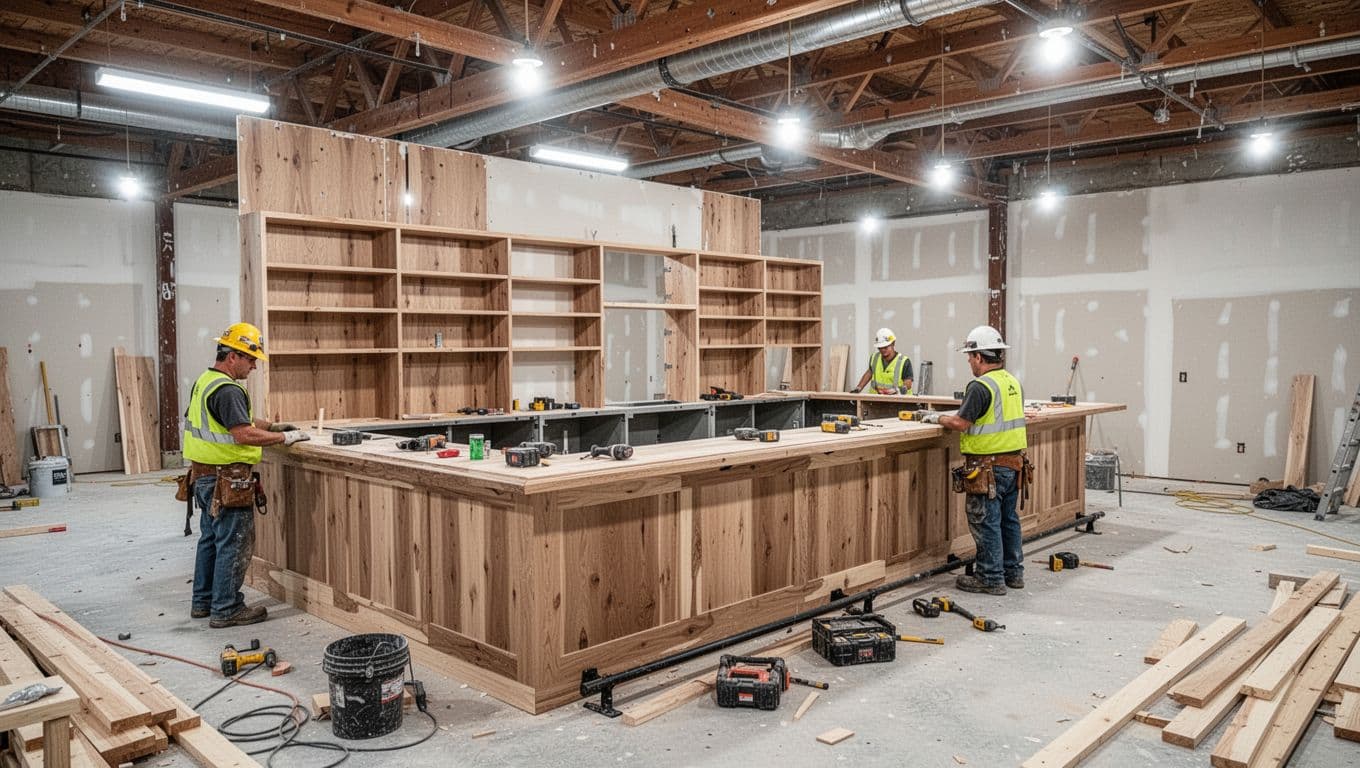
This is the part where good plans get stuck. The fix is simple: follow the sequence, and don’t sign a lease that can’t legally become your bar.
In Florida, the ABT application itself can move quickly once your file is complete. Recent statewide guidance points to roughly 30 days for processing after submission, but the real time sink is usually everything you must finish before you submit.
Your Florida checklist: ABT, local zoning, and basic setup
Start with the business basics, then match them to your location.
Common early steps include: forming your entity, getting an EIN, registering for state taxes, and setting up your bank account. Next, verify zoning and use approval for alcohol service in your exact address. After that, you line up inspections, then apply for your alcohol license.
For official updates and core resources, the Florida ABT licensing hub is the best starting point. It’s where you’ll find state-level direction, notices, and links to forms and FAQs.
A practical timeline for many Central Florida bars looks like this:
- First, 1 to 3 months to lock concept, funding, and location.
- Next, 2 to 6 months for plans, permits, and buildout, sometimes longer.
- Then, licensing and final inspections, often weeks to months depending on completeness and local needs.
Avoid the biggest delays: location fit, parking, noise, and neighbors
Most delays trace back to the space, not the drinks. Before you commit, check these issues in plain terms:
- Confirm the zoning allows alcohol service at that address, not just in that district.
- Count parking honestly. If overflow becomes a problem, neighbors will remember.
- Plan bathrooms early because retrofits get expensive fast.
- If you’re serving food, check grease and venting needs before you sign.
- Walk the space for ADA paths, door widths, and restroom access.
- Think about sound. Add soft materials, manage speaker placement, and set clear hours.
- Talk to nearby businesses. A friendly relationship beats a complaint letter.
If you’re building in Mount Dora, you may also run into documentation steps tied to construction value. For example, the city FAQ explains when a recorded Notice of Commencement is required before inspections, which can prevent last-minute scheduling surprises (see the city’s Notice of Commencement FAQ).
Turn four walls into a place people want to linger
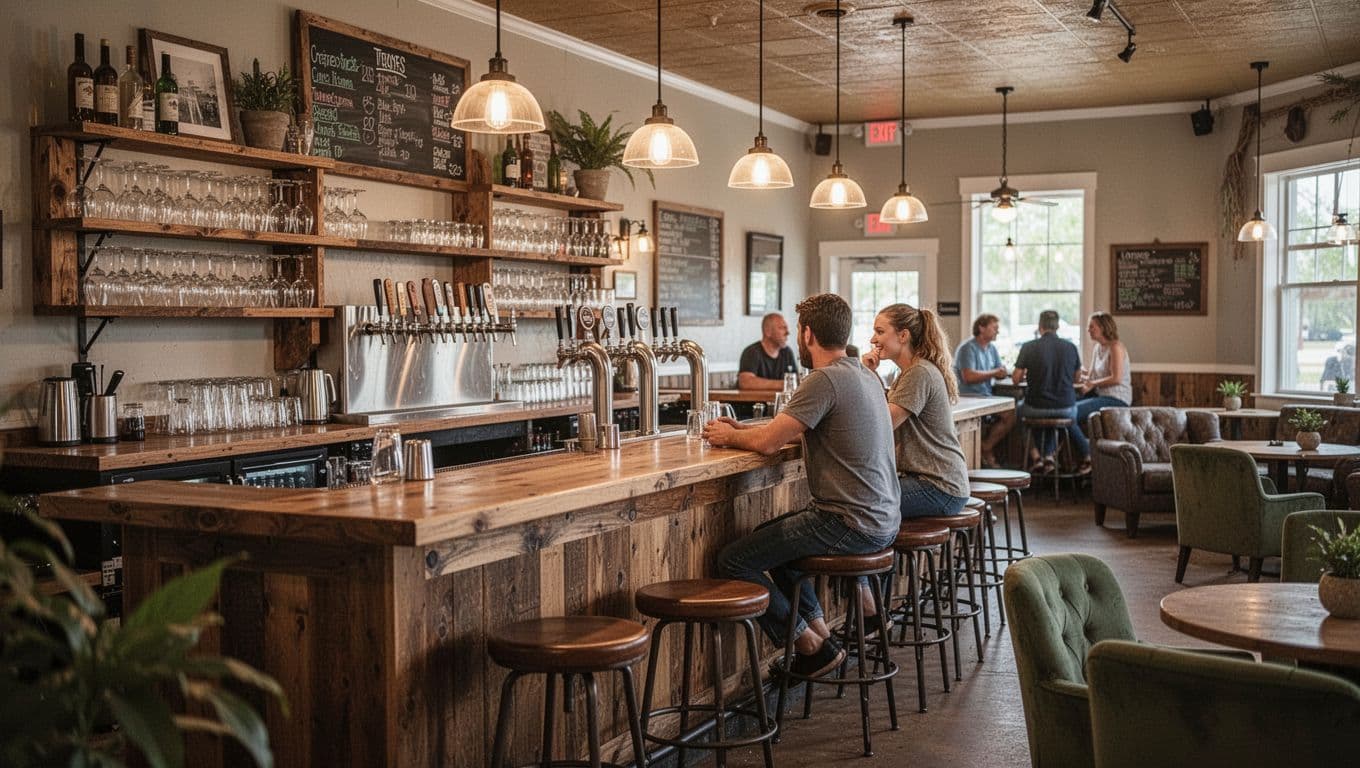
A good bar feels like it’s holding you gently in place. The chair is comfortable, the lighting forgives everyone, and the room sounds alive without feeling loud.
That comfort comes from design choices that also help speed. When your team moves smoothly, guests feel it.
Design the experience: lighting, seating, and a bar that works fast
Start with flow. Build stations so bartenders don’t cross paths all night. Put your ice, glass storage, and POS where hands naturally reach. Keep a dish flow that doesn’t force staff to squeeze past guests.
Then focus on the feeling. Warm lighting, a mix of seating types, and a few “anchor” spots for groups help you serve date nights and big tables at once. Add one area where music or trivia can happen without taking over the whole room.
Eden Abbey Brewing Community in Mount Dora is a great reminder that atmosphere is more than decor. Locals cherish places that feel welcoming and human. A family-owned vibe, friendly service, and a room that invites conversation can matter as much as the tap list.
Hiring, training, and your first 30 days of service
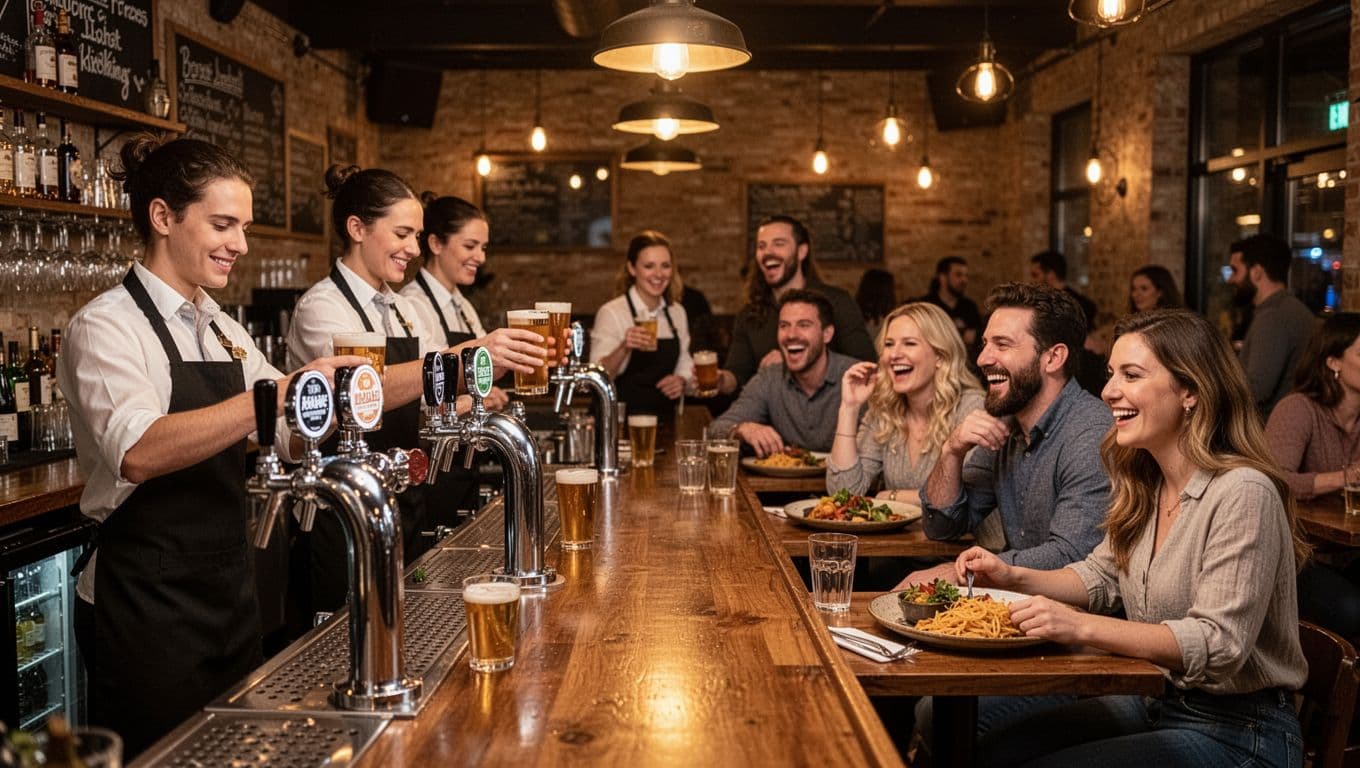
Hire your bar lead early. That person helps build recipes, set par levels, and train the rest of the team.
Keep training simple and firm: ID checks, house pours, tabs, and how to handle someone who’s had enough. Write down your core drink builds and your top food pairings. Consistency beats genius during month one.
For 2026, guests also expect options. Alongside your beers and cocktails, add a few low-ABV and zero-proof choices that still feel “bar-worthy.” A hop-infused zero-proof seltzer is a smart example because it keeps the beer vibe without the alcohol. Eden Abbey even offers a hop-infused seltzer-style option at 0 percent ABV, which can be dressed up with fruit for a mocktail feel.
Also, plan your first events like you plan your menu. A weekly trivia night, a small acoustic set, or a low-key charity partnership can bring repeat traffic without turning the room into chaos.
One last local note: in smaller cities, sound can become a real issue fast. It’s worth understanding how the town thinks about noise. This article on Mount Dora’s excessive noise ordinance shows how community standards get enforced, even outside your walls.
Conclusion
Opening a bar is a chain of choices that have to link up: a clear concept, a realistic budget, the right license lane, a location that fits zoning, a buildout that supports fast service, and a team trained for busy nights. When you treat it like a sequence, the stress drops and the odds go up.
If you want to see what a true Central Florida gathering place looks like, spend an evening at Eden Abbey Brewing Community (405 S Highland St, Mount Dora). Come by Tuesday through Sunday, try a flight, share a few bites, and soak in the warm atmosphere the community loves. Then take notes, because the best way to learn the business is to sit in a bar that people don’t want to leave, and ask why it works.

