A Central Florida weekend has a rhythm. You meet friends, claim a table, split something messy and perfect, and order a fresh pour that fits the moment. That easy night out only happens because the business has the right liquor license (or the right alcohol license for what they serve).
In Florida, a liquor license is legal permission to sell or serve alcohol, issued through the state’s DBPR Division of Alcoholic Beverages and Tobacco (ABT). The catch is that rules change based on license type, where you’re located, and how you operate. That’s why owners get stuck, even when their concept is solid.
Mount Dora’s Eden Abbey Brewing, a family-owned brewery and restaurant at 405 S Highland St, Mt Dora, FL, shows why this matters. A welcoming community vibe, rotating taps, and a food menu built for sharing all depend on licensing choices behind the scenes. When the paperwork matches the plan, the good stuff reaches your glass.
Liquor license basics in plain English: what it covers, and what it doesn’t
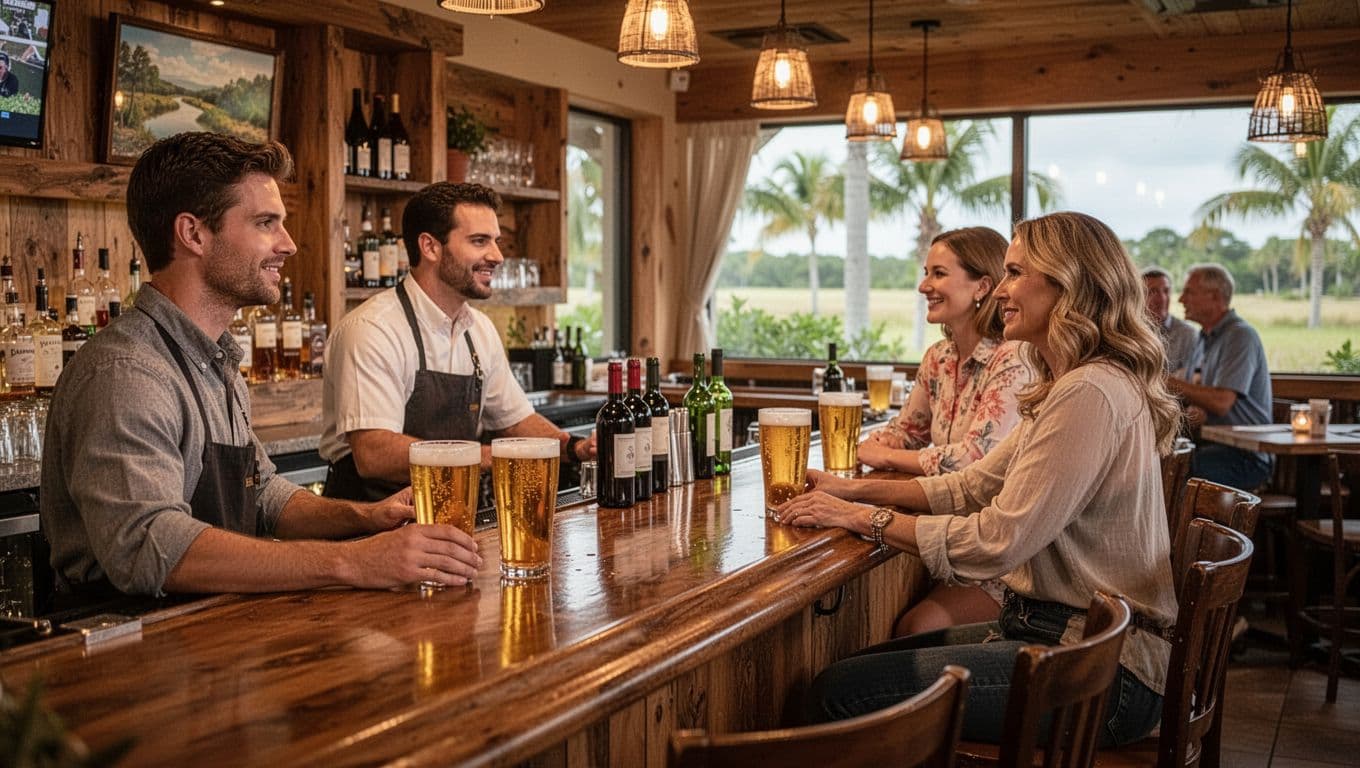
Think of an alcohol license like a wristband at an event. It tells everyone what you’re allowed to access. In Florida, a beer and wine license can let you pour pints and open bottles, but it doesn’t automatically let you make cocktails. Spirits are a different lane.
A common mix-up is calling every alcohol permit a “liquor license.” In everyday talk, that’s normal. Legally, though, beer and wine privileges are often separate from full liquor (spirits) privileges. That separation matters when you build a menu, hire staff, and plan your bar setup.
“To-go” rules can trip people up too. Some licenses allow packaged sales for off-premises use, while others focus on on-site service. The license also needs to match the way you serve: restaurant dining room, bar counter, brewery taproom, or a mix.
If a business sells alcohol outside its license scope, the downside is ugly. State penalties can include fines, license discipline, and even forced shutdowns. On the flip side, the upside is real, because alcohol often drives margin and repeat visits.
For a quick look at how Florida organizes license categories and fees, see the state’s ABT license types list (PDF).
The easiest way to think about license types: what you can serve and where you can serve it
Most decisions come down to two questions: where will it be consumed, and what will be served?
Here’s a simple framework that helps owners and curious guests read the room:
| Decision point | Option | What it usually means |
|---|---|---|
| Where people drink | On-premises | Alcohol is served and consumed at the business |
| Where people drink | Packaged to-go | Sealed alcohol sold for off-site consumption |
| What’s served | Beer and wine | Pints, bottles, sometimes cider, no spirits |
| What’s served | Full bar | Beer, wine, plus spirits for cocktails |
In Florida, you’ll hear shorthand names. 2COP often points to beer and wine for on-site service. 2APS is often tied to packaged beer and wine to-go. 4COP usually signals full liquor on-premises, and it’s often tied to quota limits.
Why some licenses are cheap and fast, and others cost a fortune
Florida treats many full liquor licenses like scarce real estate. Quota licenses (commonly discussed as 4COP quota) are limited by county population, so supply stays tight. As a result, prices on the resale market can swing wildly and hit six figures.
Beer and wine options tend to be more available, so costs are usually far lower. That’s why many restaurants and taprooms start there, prove demand, then grow.
Timelines vary too. Some applications move in a few months. Others drag closer to a year, especially when quota licensing, zoning issues, or missing paperwork slows everything down.
Florida liquor license options that matter most for restaurants and breweries
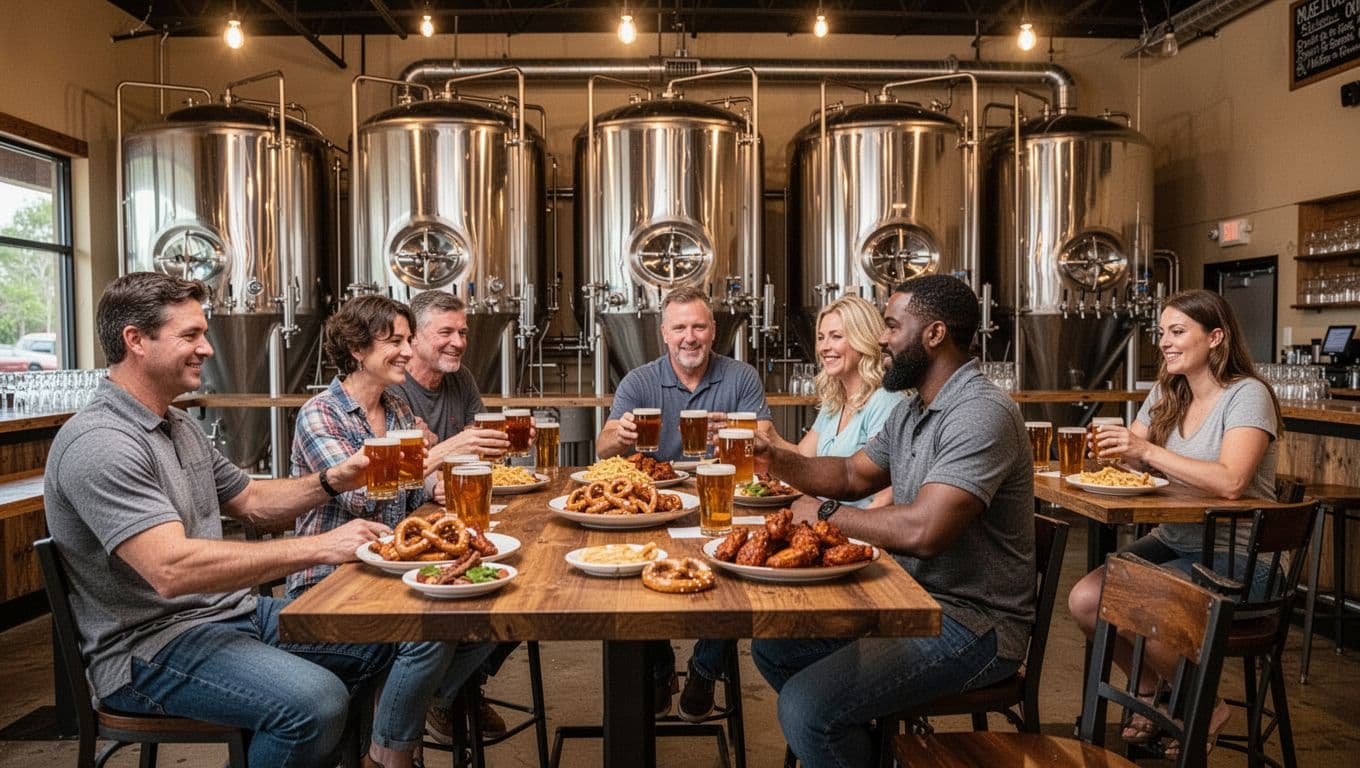
If you’re running a restaurant, brewery, or hybrid spot in Central Florida, you don’t need to memorize every license class. You need the few that match how guests actually order.
Breweries also play by their own set of rules. A brewery needs a manufacturer license to produce beer. Many also operate a tasting room or taproom experience, depending on their setup and production volume.
In practice, plenty of places thrive with beer-forward service and strong food. Eden Abbey is a good example of that model in action. Their rotating tap list, paired with shareable plates and handhelds, shows how much you can do without trying to be a full cocktail bar on day one.
For a plain-language explainer of common Florida options, including 2COP and 4COP, this overview of Florida liquor license types can help you sort the vocabulary before you talk to the state.
Beer and wine licenses (often the best starting point for a taproom or kitchen)
For many restaurants and taprooms, 2COP is the workhorse. It generally supports beer and wine for on-site service and is more obtainable than quota full liquor options.
From a guest perspective, this is the “great night out” license. You can grab a pint, order food, and settle in. That’s the sweet spot for places built around community, conversation, and repeat visits.
Picture the table: warm pretzel bites with beer cheese, crispy wings with your choice of sauce, or jalapeño poppers that disappear fast. Add a fresh pour, and nobody misses the cocktail list.
Full liquor licenses: quota 4COP versus restaurant pathways
A 4COP license typically allows beer, wine, and spirits for on-premises service. In many counties, the quota version is limited and expensive, because you’re buying scarcity.
DBPR posts an official checklist for this license type, which is worth reading early, not after you sign a lease. Start with the state’s 4COP checklist details so you know what ABT expects.
Florida also has a restaurant-focused path often referred to as the Special Food Service route, which can allow a full liquor license without buying a quota one, if the restaurant meets strict food-driven requirements. The rule most owners remember is simple: food must lead the business, not alcohol (state guidance frames it as a majority of revenue from food and non-alcoholic drinks).
As of February 2026, statewide size and seating requirements are still higher, but a change is scheduled. A bill sets a lower statewide minimum beginning July 1, 2026, moving to 1,200 square feet and 80 seats. You can read the legislative text in the Florida Senate record for CS for SB 1262. Either way, confirm details with DBPR and local zoning before you bet your build-out on it.
How to get a liquor license in Florida without losing your mind

Most liquor license stress comes from one problem: people treat licensing like a single form. It’s really a chain. If one link is weak, the whole thing stalls.
Start with this mindset: the state can approve your license, but your city or county can still limit where and how you operate. That’s why zoning is not a last step. It’s a first conversation.
Florida’s ABT application process runs through DBPR, and many applicants use the online portal at myfloridalicense. For new retail alcoholic beverage licenses, the common form name you’ll see is ABT-6001, along with supporting documents that prove you have the right to occupy the space, plus a clear layout of how service will work.
A simple step-by-step checklist from zoning to opening day
You’ll move faster if you decide what you are before you apply. A brewery taproom, a family restaurant, and a late-night bar can’t share the same plan.
Here’s an order that keeps rework to a minimum:
- Lock the concept first: Brewery taproom, restaurant with beer and wine, full bar, or packaged sales.
- Choose the license type: Match the license to service style and revenue plan.
- Start zoning early: Ask the city and county what your address allows (this can be the make-or-break step in Mount Dora and Lake County).
- Set up the business correctly: Entity, EIN, Florida sales tax account, and clean ownership records.
- Prepare a clear floor plan: Show bar areas, dining areas, storage, entrances, and restrooms.
- Gather occupancy documents: Lease, deed, or right-of-occupancy paperwork must match the applicant name.
- Submit the state application and fees: Use DBPR’s portal and ABT processes, then respond fast to requests.
- Complete inspections and approvals: Expect follow-ups if anything doesn’t match your plan.
- Train staff and set house rules: ID checks, serving limits, and how to handle “to-go” legally.
When you’re ready to see what the state form looks like, DBPR posts the ABT-6001 application (PDF). Reading it early helps you avoid surprises, like ownership disclosures and diagram expectations.
Costs, timelines, and the paperwork that causes delays
Costs split into two buckets: state fees and market reality. Beer and wine licenses often stay within reach for small operators. Quota full liquor licenses can cost staggering amounts, because you may have to buy from an existing holder.
If you want a grounded example of the resale market in the same region, you can sometimes see public listings like a Lake County 4COP/3PS license listing. Listings change, but the sticker shock is the point.
Timelines also swing. Some applicants get through in a few months when zoning, documents, and floor plans line up. Others wait closer to a year when the license type is scarce or the file needs fixes.
Delays usually come from a short list of avoidable problems:
- Ownership details that don’t match across documents
- Missing lease pages or unsigned occupancy agreements
- Floor plans that look informal or contradict the actual space
- Applying for on-premises service while planning packaged sales (or the reverse)
- Zoning questions raised after the state application is already in motion
Quick gut check: if your business model changes mid-build, revisit the license choice immediately. Fixing it later costs more and takes longer.
What a liquor license means for your weekend plans in Mount Dora, plus a local spot to try
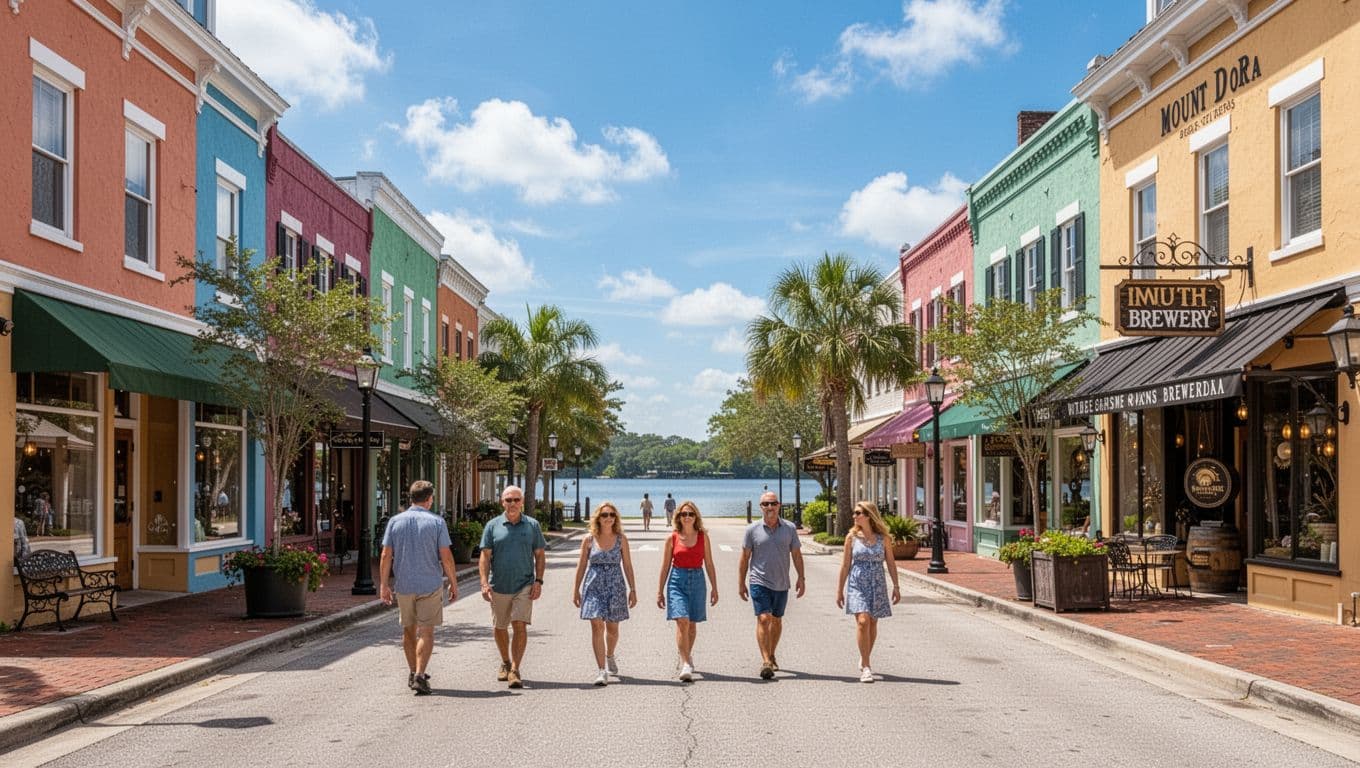
Even if you never plan to own a bar, licensing still shapes your night. It decides whether you’ll see cocktails, whether a server can bring wine to the table, and whether you can grab something sealed to enjoy later.
It also shapes the vibe. Beer-forward places often feel relaxed and food-first. Full-bar spots may lean louder and later. Neither is better, but they’re different experiences.
If you’re planning a weekend in Mount Dora, Eden Abbey Brewing is the kind of place that fits the “stay for one, end up staying for dinner” pattern. It’s community-loved for a reason, and the atmosphere feels inviting the moment you step inside. It’s also open Tuesday through Sunday, which makes it an easy pick when friends can’t agree on a day.
Order like a regular and you’ll see the range. Their menu leans into comfort food with personality: burgers built on a brisket, chuck, and short rib blend, wraps with bold house dressings, and shareables like nachos and fried bites with house sauces. Save room for dessert too, because the kitchen plays with a signature beeramel-style sauce on sweet finishes.
How licenses shape what you can order, from a simple pint to a full bar menu
If a place holds beer and wine only, you’ll usually get pints, cans, and wine pours, but not vodka sodas or old fashioneds. If packaged sales are allowed, you might be able to take home sealed beer, depending on local rules and how the business is licensed.
At Eden Abbey, the beer list shows how much variety a beer-forward license can deliver. You might see a hazy IPA like Holy Hazy!, a crisp blonde such as 4 Nun Blonde, or a dark lager like Noble One (a German-style Schwarzbier that stays smooth and light). There’s even a hop-infused 0% option for nights when you want flavor without alcohol.
That’s the point: the right license doesn’t just keep a business legal. It shapes the choices that make a weekend feel easy.
Conclusion
A Florida liquor license protects guests and businesses, because it sets clear rules for service and sales. At the same time, Florida offers different paths based on what you pour and how you operate. Zoning and paperwork usually control the clock, so smart owners start locally and stay organized. Full liquor can be harder due to quota limits, although upcoming statewide changes (effective July 1, 2026) may make the restaurant pathway more reachable for smaller dining rooms.
For everyone else, the payoff is simple: better places to gather. Next time you’re planning a Central Florida weekend, make Mount Dora part of the plan and stop by Eden Abbey at 405 S Highland St. Come hungry, ask what’s on tap, and settle into an atmosphere that keeps the community coming back.

